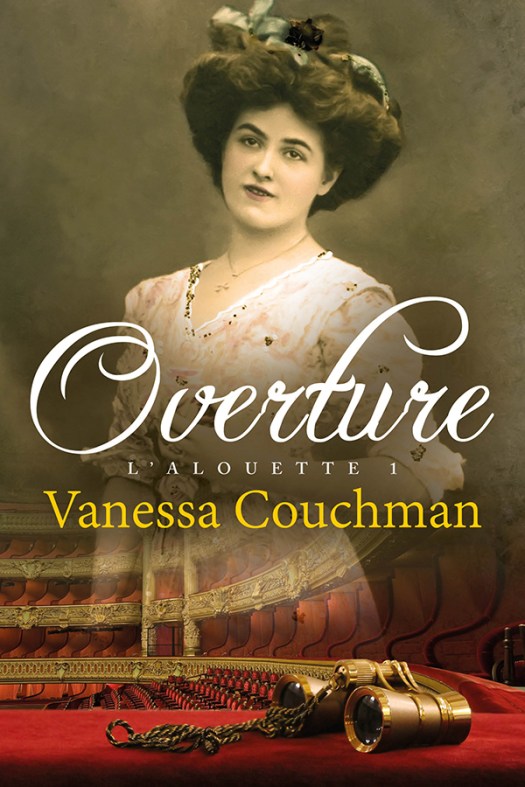
I hope you’ve enjoyed this week’s Meet the Ocelots series of posts. I’m completing the line-up this week by telling you a little about my novel, Overture, and about my character Frédéric Grandcourt, who’s the subject of an interview next week in our character interview blog hop. Look out for further news on that.
Today it’s my turn to introduce the character who will feature in my part of the Ocelot blog hop. Dear readers, meet Fra’ Lorenzo, whom some of you may already know as Friar Lawrence.
Over the years I’ve seen many different performances of Shakespeare’s Romeo & Juliet, on film and on the stage, and on each occasion I’ve been increasingly fascinated by the character of the Friar. His actions are, to say the least of it, unorthodox. Not only does he devise an elaborate and ingenious deception to help save a desperate young woman from an unwanted arranged marriage, he also helps a convicted killer to escape justice.
Why would a man of God, who has taken vows of poverty, chastity and (particularly) obedience, behave in such a way?
Clearly there is much more to this man than first meets the eye. Where did he come from originally? Why did he become a Friar? What happened to him before he took holy orders? And (perhaps most intriguing) how did he know about the sleeping potion, and why did he conveniently have a supply of it to hand when it was needed?
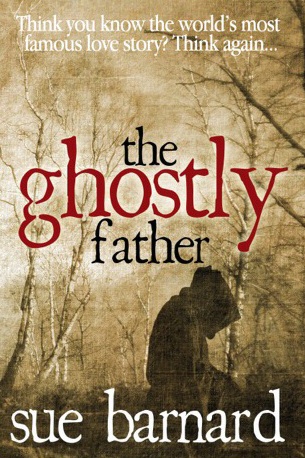
By giving the Friar what I hope is an interesting and thought-provoking backstory, I’ve tried to offer some possible answers. His story is told in my novel The Ghostly Father, which is set mostly in late 15th/early 16th-century Venice and Verona.
Fra’ Lorenzo will be interviewed here on the Ocelot blog on Tuesday 5 November. In the meantime, here is a portrait of him tending his herbs, drawn by my dear friend Kay Sluterbeck.
It’s my turn today to introduce you to some more Ocelot Press fiction! To answer the question I need to separate the Fiction…some Historical Facts of A.D. 71…and give you an Outline of the Events that come before Bran is reborn!
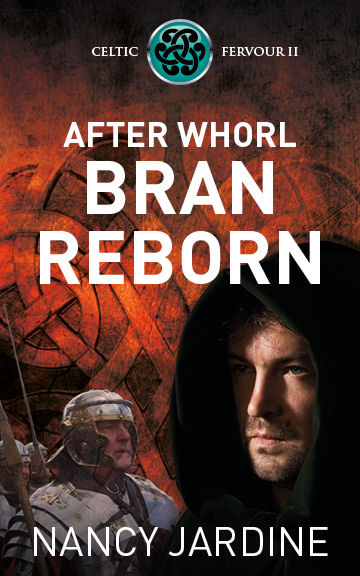
After Whorl: Bran Reborn is Book 2 of my Celtic Fervour Saga Series, tales of my Celtic warrior clan from the Hillfort of Garrigill. Its locations cover rugged Cumbrian hill country; flatter landscapes near Eboracum (York); coastal north-west England (Deva/ Chester); and Shropshire where the fourth largest Roman city in Britain was located (Viroconium Cornoviorum/ Wroxeter).
Fiction: My clan warriors are entirely fictional characters.
Fact: 1) Garrigill, a village in Cumbria, is an ideal location for a Late Iron Age (Celtic) hillfort. 2) An Ancient Roman temporary camp was sited at the nearby town of Alston. 3) Gnaeus Iulius Agricola, as Commander of the Legio XX (a genuine historical figure who plays a large role later in the series), campaigned in the area c. A.D. 71.
copyright Nancy Jardine
Fiction: In Book 1, my Garrigill warriors fight against the legions of General Cerialis and Commander Agricola at a place called Whorl.
Fact: 1) The village of Whorlton is actually in County Durham and topographically is an ideal site for a Celtic/Roman battle. 2) General Q. Petillius Cerialis, the Governor of Britannia and commander of all of the Roman Legions stationed in Britain (also a genuine historical figure) engaged in battles against the Brigantes Federation in Brigantia in approximately A.D. 71.
Fiction: During the battle at Whorl (Book 1) Garrigill warriors are killed; some are injured and some never return from the battlefield. Brennus, younger brother of main character Lorcan of Garrigill, doesn’t come home and is presumed dead! However, since I really loved creating Brennus, and since he’s such a lovely man, I couldn’t possibly let him die. Brennus becomes the main male character in Books 2 and 3, though lives for some years under the alias of… Branof Witton.
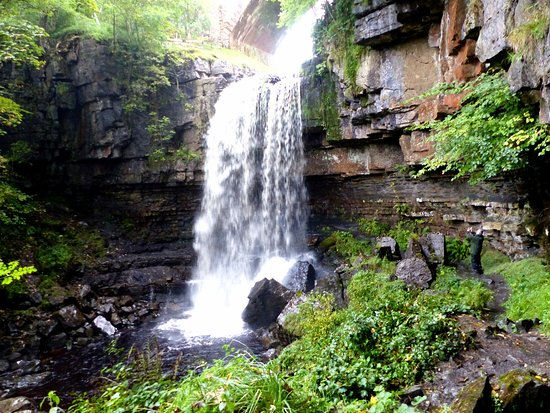
After Whorl: Bran Reborn (Book 2) begins with Meaghan, an elderly healer, ensuring that Brennus survives the battlegrounds of Whorl but it’s a hard-won task. When thrashing around a raging temperature, Brennus imagines himself being cooled down by the cascading waters of the waterfall near the hillfort of Garrigill.
Fact: This image is a waterfall named Ashgill Force near the village of Garrigill.
Fiction: Visibly maimed, Brennus can’t resume duties as tribal champion and instructor of the younger warriors at Garrigill. How could he with part of one hand lopped off, a dragging leg, and having lost the sight of one eye? He lets Meaghan believe his name is Bran, and as Bran he forges out a new life for himself. Brennus’ original sunny personality becomes deeply buried. Bran is dour, bitter and hard to live with! In modern terminology, the man is suffering from something akin to PTSD.
Bran dons the mantle of a spy aided by Ineda, Meaghan’s granddaughter. Their spying careers develop with ease but their romantic entanglement is sluggish! And… in the nature of a family saga, there are many pitfalls and highly dangerous encounters with the Roman invaders before a happy ending is eventually reached for both of them…but that doesn’t happen till Book 3 After Whorl: Donning Double Cloaks!
I’ve thoroughly enjoyed creating all of my Celtic Fervour Saga characters but I have a real soft spot for my lovely Brennus of Garrigill aka Bran of Witton. I’m hoping that you’ll also join the list of other readers who enjoy his transformations!
p.s. You’ll find more details of my location choices and the historical background of events leading to A.D. 71 Brigantia on my own blog HERE.
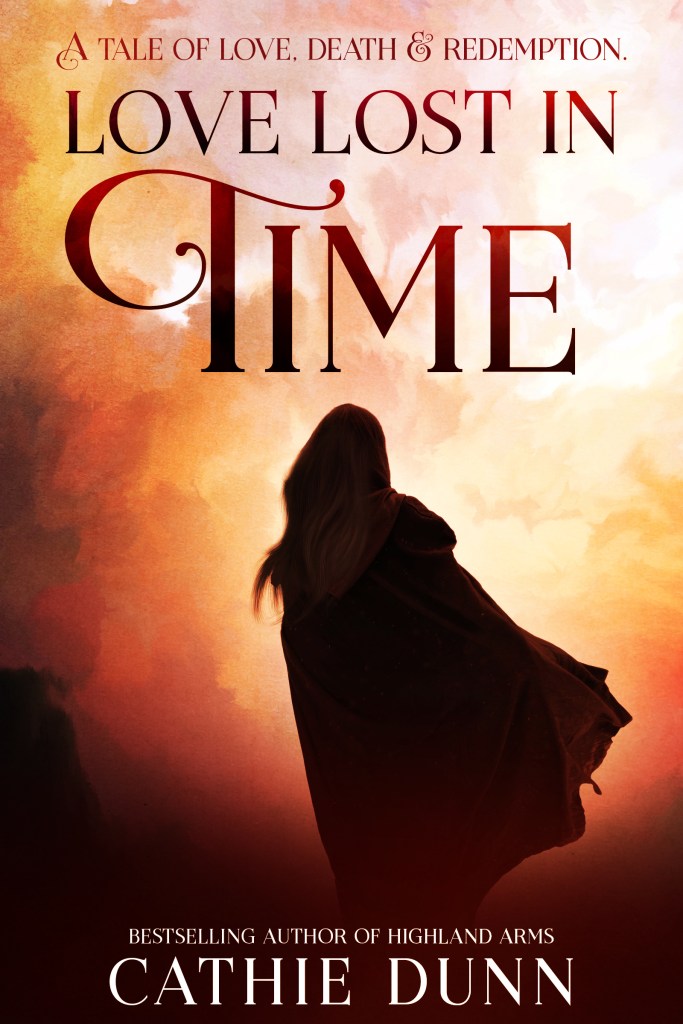
Hi everyone, and happy Tuesday! I’m thrilled to be the first of the Ocelots taking over the blog today, ahead of our upcoming Blog Hop. Soon, you’ll be able to meet the lovely Tom, from The Last Plantagenet?, but I thought I should set the scene first, and tell you a little bit about the background to the book…
First, here’s the blurb, to whet your appetite:
The fireplace hadn’t looked like a time-portal.
All Kate had wanted was a fun, relaxing day out, watching the knights jousting at Nottingham Castle. What she ended up with was something quite different.
Transported in a heartbeat from 2011 to 1485, how will Kate handle life at the Ricardian court? Even more importantly, how will she cope when she catches the eye of the king himself?
Find out in this ‘giddily romantic’ romp, set just prior to the Battle of Bosworth.
In TLP (let’s go with the shortened version for the rest of the post!), Kate is doing what Kate loves best, wandering around a castle, taking in the sights and sounds of a re-enactment, when everything goes black, and suddenly, she’s in 1485, and at the court of Richard III, who genuinely was in Nottingham in July of that year, as he was preparing himself for the expected arrival of Henry Tudor. We all know how that one ends, so let’s not dwell.
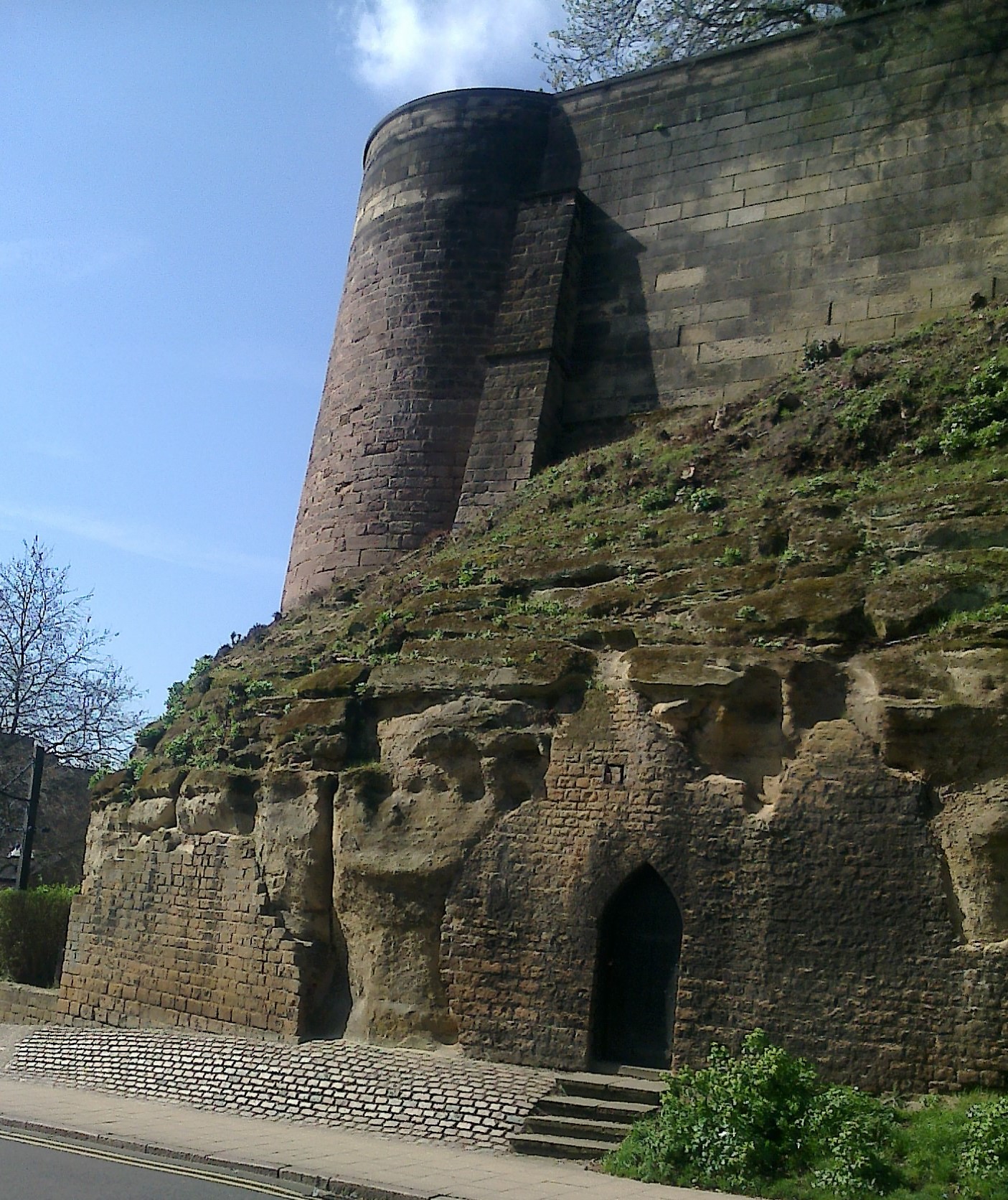
Nottingham Castle Today
Finding herself in the kitchens of the castle, Kate is immediately yelled at to collect refreshments and bring them to the great hall. Who is doing the shouting? Tom, one of Richard’s trusted servants, who has been with the king for years. Although the story belongs to Kate and Richard, Tom is instrumental in helping Kate find her feet in her new, and frankly bewildering, surroundings.
I think the story needed Tom, in order to make sense of some things, as well as being a friend to Kate. Much as I’m sure most historical fiction readers and writers have fantasised about travelling back in time to their favourite era, and meeting the people they admire, the practicalities would certainly not always be easy. I know I ‘think’ I would love to live in a medieval castle, but really, have you tried hurrying down a spiral staircase in jeans and trainers, let alone in a flowing gown? And with no central heating? No thank you, I fear…
Kate does experience these things, and plenty more, and I thoroughly enjoyed writing about her adventures, just as much as I hope you enjoy reading about them! And I’m looking forward to you getting to meet Tom more too.
We can’t believe it’s already 18 months since Ocelot Press went live. Over the next few weeks we’ll be celebrating with a series of blog posts and character interviews and there’ll be a chance to buy some of our e-books for discounted prices. So definitely watch this space.
For starters, this coming week, each of us will take over the Ocelot blog for a day to bring you information on the background, setting and salient facts of one of our books. You’ll get an insider’s view of the story behind the book – and each of them makes fascinating reading.







 Ocelot Press